
Tipping, Bargaining, and Social Etiquette in Tajikistan — Cultural Norms, Hospitality, and Bazaar Customs
- 0 comments
- 6 hours ago
- Culture, Practical, Tajik Culture, Tajikistan Travel Tips
Introduction to Tajik Social Etiquette
Traveling through Tajikistan is an immersive experience in warmth, generous hospitality, and centuries-old Pamiri and Tajik social customs. Central to Tajik culture is the ancient belief expressed in the local proverb: “Mehmon atoi Xudost” (Меҳмон атои Худост — “A guest is a gift from God”). Visitors are greeted with genuine openness, invited for tea, and offered directions with heartfelt courtesy.
Navigating social interactions smoothly—whether eating at a traditional teahouse (choykhona), shopping at vibrant bazaars, staying with families in mountain homestays, or hiring private drivers for the Pamir Highway—requires an understanding of local customs regarding tipping, polite bargaining, and everyday social etiquette.
The Sacred Tradition of Hospitality (Mehmonnavozī)
In Tajik culture, hospitality (mehmonnavozī) is a deeply ingrained value rather than a commercial transaction. Recognizing a few fundamental social gestures will help you connect authentically with locals:
- The Hand-on-Heart Greeting (Dast ba Dil): When greeting someone or expressing heartfelt gratitude (Tashakkur / Rahmat), place your right hand over your heart with a subtle, respectful head nod.
- Shaking Hands: Men traditionally greet other men with a warm, two-handed handshake or a right-handed shake while placing the left hand over the heart. When a man greets a woman, placing his right hand over his heart with a polite nod is standard unless she extends her hand first.
- Accepting Refreshments: If a host offers tea, flatbread (non), or fruits, it is polite to accept at least a small sip or piece of bread. Breaking a small piece of bread with your hands at the start of a meal symbolizes shared peace and goodwill.
Tipping Customs in Tajikistan
Tipping practices in Tajikistan vary depending on the venue, region, and type of service:
- Urban Restaurants & Cafes: In Dushanbe and Khujand, mid-range and fine-dining restaurants usually add an automatic 10% to 15% service charge (baroi xizmatrasonī) to the bill. Extra cash tips (5% to 10%) are not mandatory, but are warmly appreciated by waitstaff for exceptional service.
- Traditional Teahouses (Choykhona): Informal local eateries and teahouses do not include service charges. Leaving small change or rounding up the bill by 5 to 10 TJS is a customary way to thank your server.
- Pamir Highway Drivers and Tour Guides: For multi-day road trips along the Pamir Highway or trekking excursions in the Fann Mountains, tipping your driver and local guide is a widely accepted industry standard. A tip of $10 to $20 USD per day (divided among group members) for a driver, and a similar amount for a guide, reflects appreciation for safe mountain navigation and long hours behind the wheel.
- City Taxis: Metered app rides (such as Jura Taxi) do not expect tips, though rounding up the fare to the nearest 5 or 10 TJS in cash is a pleasant gesture.
The Art of Polite Bargaining (Muomila) at Bazaars
Shopping at historic markets like Khujand’s Panjshanbe Bazaar or Dushanbe’s Korvon and Mehrgon bazaars is an essential cultural highlight. Bargaining (muomila) is a friendly social interaction rather than an aggressive argument.
Rules for Respectful Bargaining:
- Maintain a Warm, Smiling Demeanor: Bargaining should always be lighthearted. Greet the vendor politely (“Salom aleykum”) before inquiring about prices (“In chand somonī?”).
- Where to Bargain: Bargaining is expected when buying handicrafts, dried fruits, nuts, souvenirs, or traditional clothing (chakan, suzani) from small bazaar stalls.
- Where NOT to Bargain: Fixed-price establishments—such as modern supermarkets, boutique craft stores, pharmacies, and restaurants—do not negotiate prices.
- Target Fair Discounts: A reasonable counteroffer is typically 10% to 20% below the initial quoted price. Once a vendor agrees to your counteroffer, it is polite to complete the purchase.
Homestay Etiquette and Small Gift Traditions (Tuhfa / Hadya)
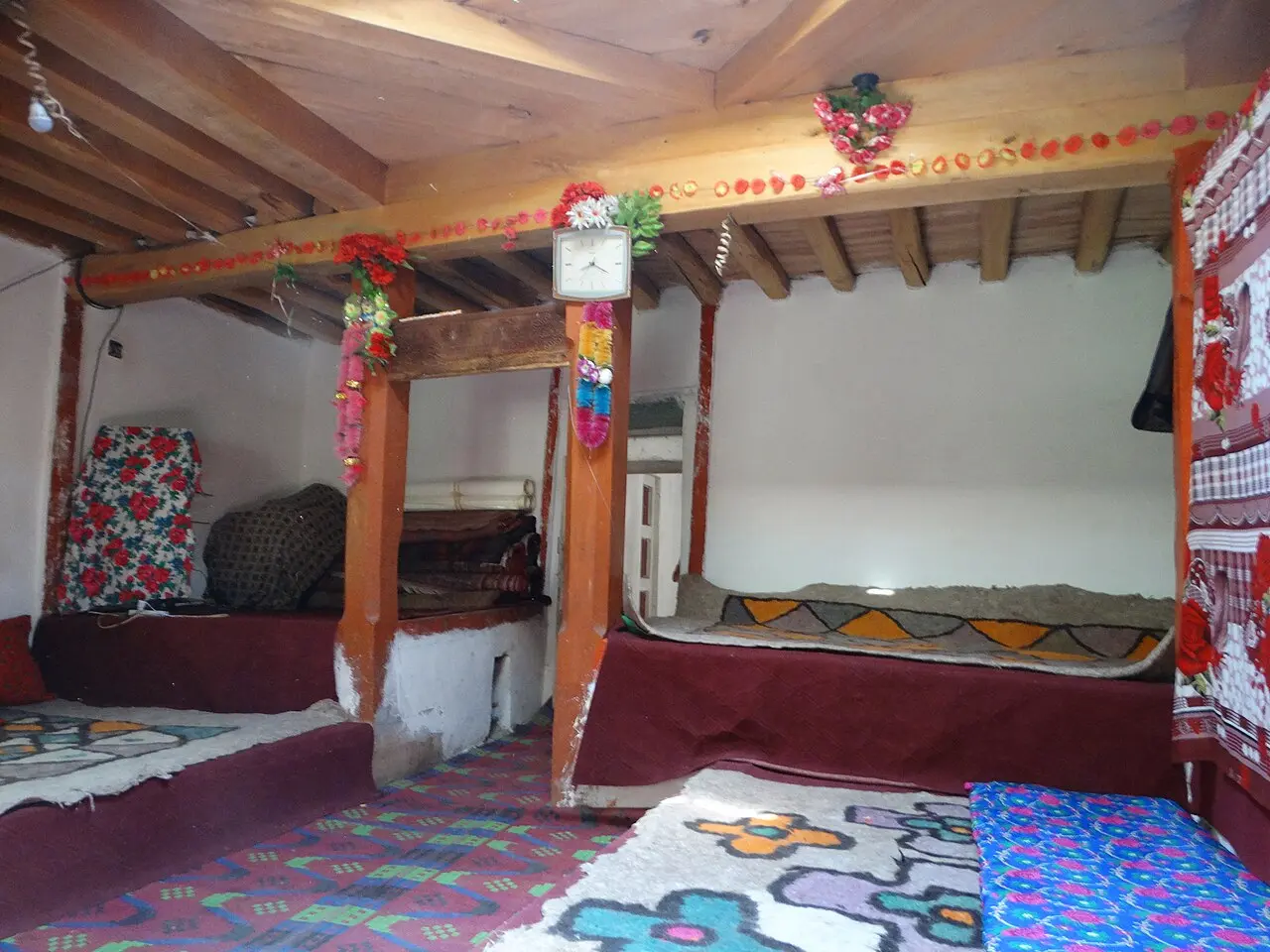
Staying at family-run mountain homestays along the Wakhan Corridor, Bartang Valley, or Yaghnob Valley offers an intimate glimpse into rural Tajik life. Following home etiquette ensures a comfortable stay for both you and your hosts:
- Remove Footwear at the Entrance: Always remove outdoor shoes before stepping onto carpeted living areas, traditional raised wooden tea platforms (kat), or sitting mats (kurpacha). Homestays provide soft indoor slippers for guests.
- Respectful Dress Code: Modest clothing is appreciated in rural villages. Both men and women should wear clothing that covers shoulders and knees when walking through mountain villages or entering private family courtyards.
- The Tradition of Host Gifts (Tuhfa / Hadya): While homestay owners are paid for room and board, presenting small host gifts (tuhfa or hadya) creates lasting bonds. Recommended gifts include packaged chocolates, high-quality teas, color pencils or small storybooks for children, or dried fruits from lowland bazaars.
- Photography Ethics: Always ask for permission (“Ijozat hast?”) before photographing locals, particularly elders and children in mountain villages.
Quick Facts
| Fact | Detail |
|---|---|
| 🤝 Core Proverb | “Mehmon atoi Xudost” (A guest is a gift from God) — Sacred tradition of hospitality (mehmonnavozī) |
| ❤️ Hand-on-Heart | Dast ba Dil greeting: place right hand over heart with a polite nod when greeting or thanking |
| 💵 Restaurant Tipping | 10-15% service charge (baroi xizmatrasonī) included in cities; 5-10 TJS in choykhona teahouses |
| 🚐 Driver/Guide Tip | $10–$20 USD per day for Pamir Highway drivers and mountain trekking guides |
| 🛒 Bazaar Bargaining | Muomila: polite bargaining expected at bazaar stalls (target 10–20% discount); never in supermarkets |
| 🏡 Homestay Etiquette | Remove shoes before carpet/kat/kurpacha; wear modest clothes; bring host gifts (tuhfa/hadya) |
| 📸 Photo Permission | Always ask permission (“Ijozat hast?”) before photographing elders or children in villages |
No results available