
Written by AllTJ.online
Tajikistan Seasons, Weather, and Best Time to Visit Guide — Month-by-Month Travel Planning Across Valleys and High Altitudes
- 0 comments
- 3 months ago
- Practical, Tajikistan Travel Tips, Weather & Seasonal Planning
Introduction to Tajikistan’s Climate
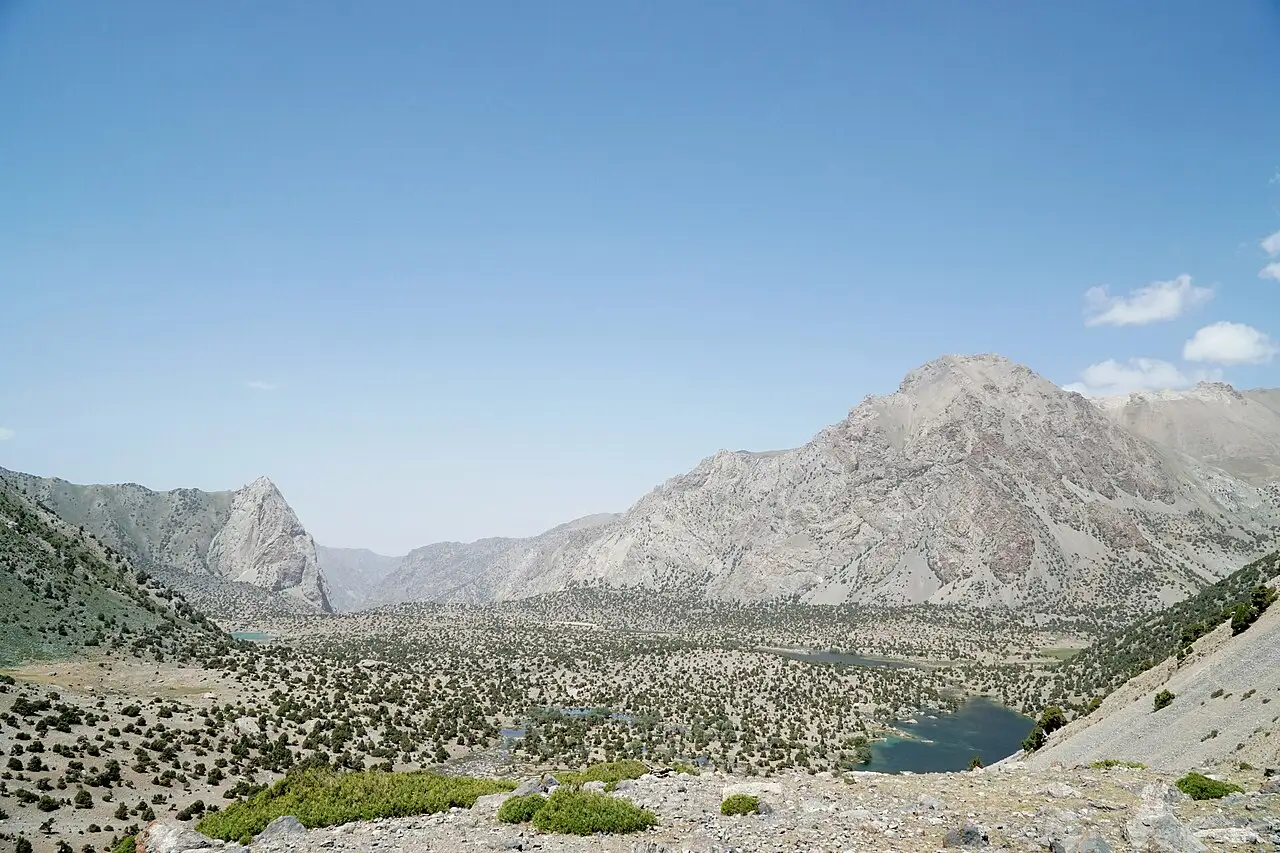
Stretching across dramatic topographical variations—from warm lowland river valleys at 300 meters above sea level to the soaring, glacier-draped Pamir peaks exceeding 7,000 meters—Tajikistan features an extreme continental climate defined by four distinct seasons. Understanding regional weather patterns is essential for overland travel planning, as road accessibility across high mountain passes, trekking conditions in the Fann Mountains, and outdoor cultural events vary significantly throughout the year.
Because over 93% of Tajikistan’s landmass is mountainous, weather conditions are sharply bifurcated between two primary geographical zones:
- Lowland Valleys & Low-Altitude Basins (Dushanbe, Sughd/Khujand, Khatlon/Bokhtar): Characterized by hot, dry summers exceeding 40°C (104°F) and mild, occasionally rainy winters with temperatures hovering around freezing.
- High-Altitude Highlands (The Pamirs/GBAO, Hissar Range, Fann Mountains): Characterized by cool, dry summers, crisp autumns, and long, frigid sub-zero winters where mountain passes remain snowbound for months.
Spring (March to May): Navruz, Blooming Valleys, and Apricot Orchards
Spring is widely considered one of the most culturally vibrant and visually stunning seasons to visit lowland Tajikistan. As snow melts across mid-altitude hills, green pastures burst into wild red tulips, poppies, and irises.
Key Highlights of Spring Travel:
- Navruz Celebrations (March 21–24): The ancient Persian New Year equinox festival is celebrated with nationwide festivities, traditional Gushtingiri (Tajik wrestling) matches, Buzkashi equestrian games, street fairs, and feastings centered on Samanak (sprouted wheat pudding).
- Blooming Fruit Orchards in Sughd: In April, the northern districts of Isfara, Kanibadam, and Panjakent transform into vast oceans of pink and white apricot, almond, and cherry blossoms.
- Mild Valley Temperatures: Daytime temperatures in Dushanbe, Khujand, and Kulob average a comfortable 18°C to 25°C, ideal for sightseeing, visiting historical monuments, and day hikes in Varzob Gorge.
Travel Consideration: Spring brings rain showers and high snowmelt water volume. High Pamir passes (such as Khoburobod and Kyzyl-Art) remain closed or muddy, making late spring better suited for lowland, Fann Mountain foothill, and cultural itineraries.
Summer (June to August): Peak Pamir Highway & High-Altitude Trekking Season
Summer is the undisputed high season for high-altitude overland expeditions, mountaineering, and alpine trekking across Tajikistan. While lowland cities experience intense dry summer heat (chilla), the high Pamir plateau and alpine lake basins offer crisp, temperate weather.
Key Highlights of Summer Travel:
- Pamir Highway & High Pass Accessibility: All major high mountain passes—including Ak-Baital Pass (4,655m), Kulma Pass to China (4,362m), and Khoburobod Pass (3,252m)—are fully snow-free, dry, and navigable for 4×4 vehicles and adventure cyclists.
- Alpine Trekking & Mountaineering: Ideal conditions for trekking through the Fann Mountains (Seven Lakes, Iskanderkul, Lake Alauddin) and mountaineering expeditions in the Pamirs (Peak Ismoil Somoni, Peak Korzhenevskaya).
- Cool High-Altitude Escapes: Daytime temperatures at high-altitude destinations like Lake Karakul, Murghob, and Iskanderkul range between 15°C and 22°C under brilliant blue skies.
Travel Consideration: Lowland cities like Dushanbe and Bokhtar can see midday summer heat climb above 40°C. Travelers visiting in summer should plan city sightseeing for early mornings and head into mountain gorges (Varzob, Ramit) during the heat of the afternoon.
Autumn (September to November): Harvest Season, Crisp Skies, and Golden Foliage
Autumn is favored by experienced travelers for its stable, dry weather, golden mountain landscapes, and abundant fresh agricultural harvest.
Key Highlights of Autumn Travel:
- The Silk Road Harvest: Local bazaars overflow with sweet Tajik grapes, pomegranates, figs, persimmons, almonds, walnuts, and legendary sweet melons (qashqadaryo, amirī).
- Golden Alpine Foliage: Birch, walnut, and plane tree (chinor) groves across Varzob, Ramit, the Wakhan Valley, and Rasht transform into vivid shades of gold, amber, and deep orange against turquoise mountain rivers.
- Ideal Overland Travel Conditions: September through mid-October offers clear atmospheric visibility, dry dirt tracks, and comfortable daytime temperatures across both lowlands (20°C to 28°C) and the Pamir Highway (10°C to 18°C).
Travel Consideration: High Pamir passes begin experiencing night freezes and early snowfall by late October or November. Travelers planning late autumn Pamir trips should ensure high-clearance 4×4 vehicles are equipped with warm layers and winter safety gear.
Winter (December to February): Winter Sports, Thermal Spas, and Snowscapes
While winter brings heavy snow cover to high mountain ranges, Tajikistan offers rewarding experiences for winter sports enthusiasts, thermal wellness travelers, and urban explorers.
Key Highlights of Winter Travel:
- Winter Sports at Safed-Dara: Skiing, snowboarding, ice skating, and gondola rides at Tajikistan’s premier winter sports complex in the Hissar Range (2,400m).
- Thermal Mineral Balneotherapy: Relaxing in warm, therapeutic indoor hot springs like Khoja Obi Garm (radon springs near Dushanbe) and Garm Chashma (travertine pools in GBAO).
- Crowd-Free Cultural Sightseeing: Mild winter days in Dushanbe, Khujand, and Hissar allow peaceful visits to museums, historical fortresses, and indoor teahouses without summer crowds.
Month-by-Month Travel Matrix
Below is a summary matrix outlining optimal travel focus areas across Tajikistan throughout the calendar year:
| Month | Lowland Valleys | Pamir Highway / High Passes | Fann Mountains / Trekking |
|---|---|---|---|
| Jan–Feb | Mild / Museums & Spas | Snowbound / Closed Passes | Safed-Dara Skiing |
| Mar–Apr | Navruz & Blossoms (Optimal) | Snowmelt / High Mud | Foothill Hikes |
| May | Warm & Pleasant | Lower Passes Opening | Early Season Lakes |
| Jun–Aug | Hot (Chilla >40°C) | Peak Season (Dry Passes) | Peak Trekking Season |
| Sep–Oct | Harvest & Golden Foliage | Crisp & Clear Vistas | Late Autumn Hikes |
| Nov–Dec | Cool / Sightseeing | Early Snow / Freeze Risk | Ski Season Begins |
Quick Facts
| Fact | Detail |
|---|---|
| 🌸 Spring (Mar–May) | Navruz equinox festival (March 21-24), blooming Sughd fruit orchards & 18–25°C valley weather |
| ☀️ Summer (Jun–Aug) | Peak Pamir Highway 4×4 season (Ak-Baital & Kulma passes open) & Fann Mountains trekking |
| 🍂 Autumn (Sep–Nov) | Harvest bazaars (melons, grapes, persimmons), golden foliage & stable, clear mountain skies |
| ❄️ Winter (Dec–Feb) | Safed-Dara ski resort (2,400m), Khoja Obi Garm & Garm Chashma thermal spas |
| 🌡️ Lowland Climate | Dushanbe & Khujand (Summer >40°C, Mild Winters ~0°C) |
| 🏔️ Highland Climate | The Pamirs (GBAO) & Fann Mountains (Temperate summers 15–22°C, sub-zero winter freeze) |
| 🎯 Ultimate Tip | June–September for Pamir Highway 4×4 overland trips; March–April & September–October for Cities |
No results available