
Written by AllTJ.online
Tajik Tandoor Sambusa & Street Food Culture Guide — Savory Pastries, Bazaars, and Regional Flavors
- 0 comments
- 3 months ago
- Food, Tajik Food
Introduction to Tajik Street Food Culture
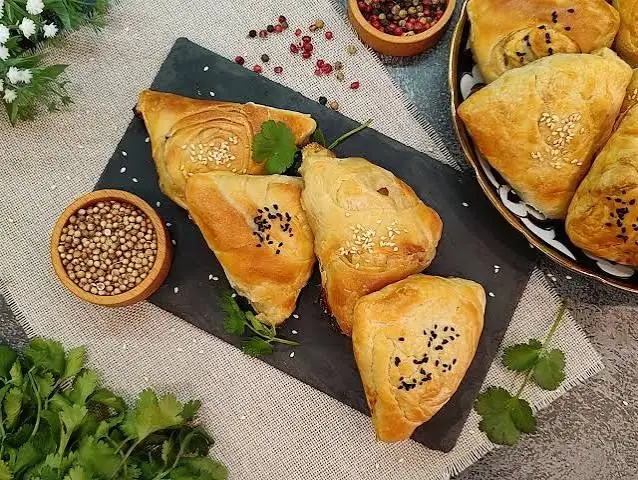
Stepping into any bazaar, roadside pass stop, or city street in Tajikistan, travelers are immediately greeted by the irresistible aroma of wood smoke, roasted cumin, and baking pastry dough. At the heart of Tajikistan’s vibrant street food scene is the Sambusa — a traditional, hand-crafted savory pastry baked inside a searing-hot clay pit oven known as a tandoor.
Far more than a quick snack on the go, sambusa represents a cherished culinary art form and an everyday social ritual. Accompanied by piping hot pots of traditional green tea (choyi kabud), eating fresh tandoor-baked sambusa at local tea stalls or mountain road stops is an essential cultural experience for every traveler exploring Tajikistan.
The Art of Tandoor Baking
The secret to an authentic Tajik sambusa lies in the traditional clay oven (tandoor). Built from local river clay mixed with straw and goat hair for thermal insulation, the tandoor is heated with wood or charcoal until its inner walls reach intense temperatures exceeding 300°C (570°F).
The baking process requires remarkable speed and skill:
- Preparation: Master bakers (sambusapaz) shape the dough around seasoned fillings of minced lamb or beef, onions, tail fat (dumba), cumin seeds (zira), black pepper, and coriander.
- Slapping the Dough: Bakers splash the outer clay wall with light saltwater, then use a padded leather mitten to slap the raw pastries directly onto the vertical interior walls of the red-hot tandoor.
- Baking: The extreme contact heat crisps the outer pastry layer in minutes while trapping juices inside. The baker retrieves the golden, blistered pastries using long iron hooks and metal scoops.
Popular Regional Varieties of Tajik Sambusa
Tajikistan’s culinary diversity shines through its regional sambusa styles, each distinguished by dough texture, folding geometry, and seasonal ingredients:
- Sambusai Waraqī (Flaky Layered Sambusa): Famous throughout Khujand and the northern Sughd Region. Made with paper-thin layers of laminated dough brushed with rendered butter, producing an exceptionally light, crispy, and multi-layered crust.
- Varzob Meat Sambusa: A legendary roadside staple along the Varzob Gorge highway north of Dushanbe. These oversized, heavy-duty round pastries are packed with coarse hand-chopped lamb, diced onions, and fragrant mountain cumin.
- Sambusai Kadugī (Pumpkin Sambusa): A popular autumn and winter classic filled with sweet, finely diced local pumpkin, onions, black pepper, and small bits of sheep tail fat for richness.
- Sambusai Alafī (Spring Wild Greens Sambusa): Prepared during the spring season around Navruz (March–April). The filling consists of wild mountain herbs, spinach, green onions, mint, and clover gathered from alpine foothills.
Street Food Etiquette and Flavor Pairings
To enjoy sambusa like a local, travelers should follow a few simple street food customs:
- Hot Green Tea (Choyi Kabud): Always pair rich, meat-filled pastries with hot green tea served in traditional handleless ceramic bowls (piyola). Green tea aids digestion and cuts through the richness of the pastry.
- Vinegar and Tangy Condiments: Local teahouses provide bottles of natural grape vinegar (sirko) or crushed tomato-garlic sauces. Drizzling a few drops of vinegar into the open pastry vent balances the savory meat juices.
- Eating Technique: Carefully bite off a top corner of the hot pastry to release trapped steam before eating, using paper napkins to hold the crisp base.
Where Travelers Can Experience the Best Sambusa
Varzob Highway Stalls (Varzob Gorge)
Located just 20 to 30 minutes north of Dushanbe, dozens of open-air roadside cafes bake massive tandoor sambusas continuously for road-trippers heading toward Iskanderkul or Khujand.
Panjshanbe Bazaar Outer Food Stalls (Khujand)
The historic food alleys surrounding Panjshanbe Bazaar offer Sughd’s famous waraqī (flaky) sambusas baked in dozens of roaring clay ovens.
Mehrgon Bazaar (Dushanbe)
Dushanbe’s premier modern bazaar features clean, dedicated food halls where visitors can sample hot pumpkin, herb, and beef sambusas alongside fresh pomegranate juice.
Practical Food Safety Tips for Travelers
Choose Busy Tandoor Stalls
Select stalls with high customer turnover where pastries are pulled fresh from the tandoor every few minutes rather than sitting on displays.
Hand Hygiene
Wash hands at designated washbasins (oftoba) available at most teahouses, or carry hand sanitizer before eating finger-food pastries.
Quick Facts
| Fact | Detail |
|---|---|
| 🥐 Core Pastry | Sambusa — Hand-crafted savory pastry baked inside high-heat clay tandoor (>300°C) |
| 👨🍳 Master Baker | Sambusapaz (Uses padded mitten to slap dough onto tandoor walls & iron hooks to retrieve) |
| 🥩 Fillings & Seasoning | Minced lamb/beef, onions, tail fat (dumba), cumin seeds (zira) & coriander |
| 🥐 Regional Varieties | Sambusai Waraqī (Flaky/Sughd), Varzob (Meat), Sambusai Kadugī (Pumpkin) & Sambusai Alafī (Navruz Greens) |
| 🫖 Essential Pairing | Hot Green Tea (Choyi Kabud) in piyola bowls & grape vinegar (sirko) |
| 📍 Top Food Spots | Varzob Highway Stalls, Panjshanbe Bazaar (Khujand) & Mehrgon Bazaar (Dushanbe) |
| 🧼 Hygiene Tip | Select busy stalls with rapid turnaround & use traditional oftoba washbasins |
No results available