
Written by AllTJ.online
Gurminj Museum of Musical Instruments — Dushanbe's Living Sound Archive & Pamiri Heritage
- 0 comments
- 2 months ago
- Museums, Galleries & Exhibitions
Introduction to Gurminj Museum
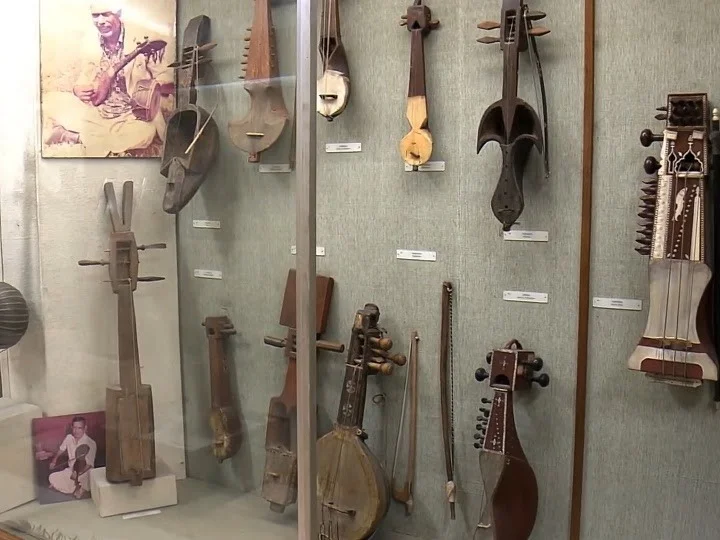
Nestled in a quiet residential courtyard in central Dushanbe, the Gurminj Museum of Musical Instruments (Осорхонаи созҳои мусиқии ба номи Гурминҷ Завқибеков) is one of Tajikistan’s most intimate and soul-stirring cultural sanctuaries. Founded in 1990 by the beloved Tajik actor and virtuoso musician Gurminj Zavqibekov (Гурминҷ Завқибеков), this private museum preserves a rare collection of over 200 traditional string, wind, and percussion instruments gathered from across Tajikistan, Central Asia, Afghanistan, and Northern India.
Unlike conventional museums where exhibits sit silently behind thick glass, Gurminj Museum is a living acoustic house. Visiting travelers are frequently treated to spontaneous live jam sessions (mahfil), where resident masters pick up centuries-old lutes and bring ancient Silk Road melodies to life.
Cornerstones of the Instrument Collection
The museum’s collection chronicles the rich ethnomusicological traditions of Badakhshan, Khatlon, the Fergana Valley, and Zarafshon:
Plucked & Bowed String Lutes (Sozhoi simī):
- Rubob (Рубоб): The quintessential string instrument hand-carved from a single block of seasoned mulberry wood (tut / тут) with a skin soundboard made from calf skin.
- Dutor (Дутор): A delicate two-stringed long-necked lute played with intricate finger-plucking techniques.
- Tor (Тор): A fretted long-necked plucked lute with a distinct double-bowl resonance body carved from mulberry wood and covered with membrane skin.
- Tanbur (Танбӯр) & Setor (Сетор): Resonant lutes essential for classical Tajik Shashmaqom (Шашмақом) performance.
- Ghijjak (Ғиҷҷак): A traditional spike violin played vertically with a horsehair bow.
- Chang (Чанг): The traditional struck dulcimer played with delicate wooden mallets.
Wind Instruments (Sozhoi nafasī):
- Karnay (Карнай): The monumental long brass or copper horn whose deep, triumphant calls historically echoed across town plazas to announce festival celebrations and royal decrees.
- Surnay (Сурнай): A vibrant double-reed wind instrument with a bright, festive sound that leads traditional wedding processions (tūy).
- Nay (Най): The classical side-blown reed or wooden flute, celebrated in Sufi poetry for its melancholic, soul-stirring melodies.
Percussion Instruments (Sozhoi zarbī):
- Doyra (Доира): A wooden frame drum fitted with inner metal rings along the rim, delivering the hypnotic rhythmic foundation for Tajik dance.
- Tablak (Таблак): A traditional clay or wooden goblet drum played with expressive palm and finger taps, central to folk performances.
- Naghora (Нағора): Pair of clay-bodied kettle drums played with curved sticks, traditionally paired with karnay and surnay during celebratory processions.
Preserving Intangible Cultural Heritage: Shashmaqom, Falak, and Maddoh
Beyond physical instruments, the Gurminj Museum serves as an active research and performance center for Tajikistan’s UNESCO-recognized musical traditions:
- Shashmaqom (Шашмақом): The prestigious classical modal music tradition combining intricate Persian vocal poetry (Hafez, Saadi, Rumi) with structured instrumental suites.
- Falak (Фалак): The expressive, soul-wrenching folk music of the southern and mountain regions, traditionally sung open-air accompanied by the rubob, tablak, or ghijjak.
- Pamiri Maddoh (Маддоҳ): Devotional spiritual singing practiced in mountain homestays across Badakhshan during communal gatherings.
Practical Visitor Guide
- Location: Tucked away in a quiet courtyard off Shohtemur Street in central Dushanbe (near the Grand Hotel and Opera & Ballet Theater).
- Live Performances & Music Lessons: Visitors can request live musical demonstrations or arrange private introductory workshops on the rubob, dutor, doyra, or tablak with resident musicians.
- Support the Museum: The museum operates independently; entry fees (typically 20–30 TJS) and purchases of hand-carved artisan crafts directly support the preservation of Tajik musical heritage.
Quick Facts
| Fact | Detail |
|---|---|
| 🎵 Gurminj Museum | Private sound archive founded 1990 by Gurminj Zavqibekov, housing 200+ instruments |
| 🪕 String Lutes | Rubob (mulberry tut wood & skin soundboard), Dutor, Tor, Tanbur, Setor & Ghijjak spike violin |
| 🎺 Wind Instruments | Karnay (long brass horn for decrees), Surnay (wedding tūy horn) & Nay Sufi flute |
| 🥁 Percussion | Doyra (ringed frame drum), Tablak (goblet drum) & Naghora (paired kettle drums) |
| 🎶 Intangible Heritage | UNESCO Shashmaqom classical suites, Falak mountain folk songs & Pamiri Maddoh |
| 📍 Dushanbe Location | Quiet courtyard off Shohtemur Street near Dushanbe Opera & Ballet Theater |
| 🎟️ Entry & Jam Sessions | 20–30 TJS entry; spontaneous live musical sessions (mahfil) & private music lessons |
No results available