
Written by AllTJ.online
Sacred Mazars & Sufi Architecture of Tajikistan — Spiritual Heritage of Khujand, Kulob, and Istaravshan
- 0 comments
- 1 day ago
- Architecture & Landmarks, Culture
Introduction to Tajikistan’s Spiritual Heritage
Tajikistan’s rich history is deeply interwoven with Sufi philosophy, Islamic scholarship, and sacred architecture. Across northern, central, and southern valleys, historic mausoleums and shrines—known locally as mazor or ziyoratgoh—serve as enduring spiritual centers for pilgrims (zoiron / зоирон) and cultural landmarks for international travelers.
Visiting these architectural complexes offers profound insight into traditional Tajik brick masonry, woodcarving (kandakori), ceramic tilework, and the enduring heritage of Central Asian Sufism.
Sheikh Muslihiddin Complex: The Spiritual Heart of Khujand
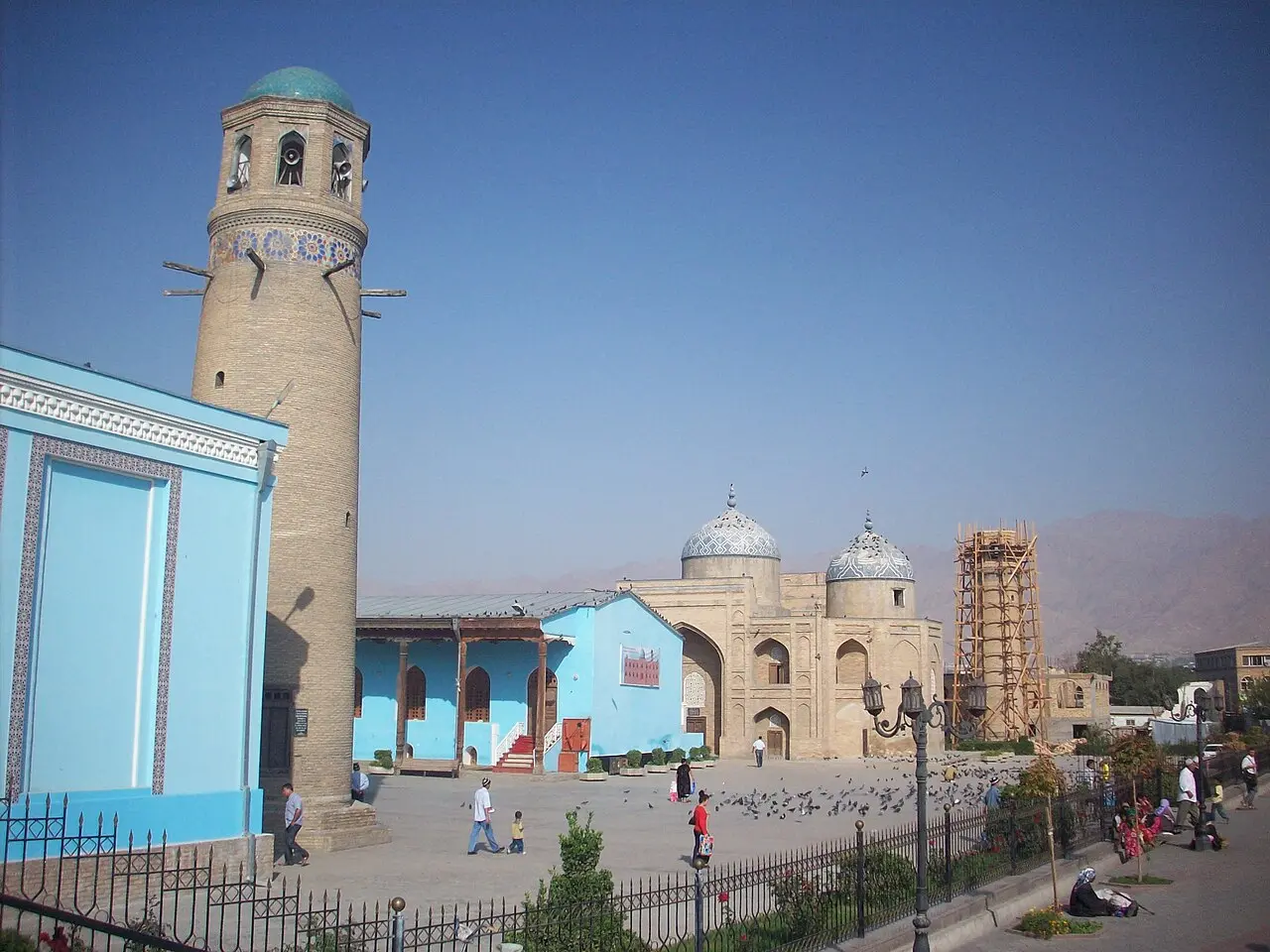
Dominating the central square of Khujand across from Panjshanbe Bazaar, the Sheikh Muslihiddin Architectural Complex (Маҷмааи меъмории Шайх Муслиҳиддин) is one of northern Tajikistan’s most iconic monuments. Dedicated to Sheikh Muslihiddin—a revered 12th-century poet, scholar, and ruler of Khujand—this expansive complex spans several centuries of architectural evolution.
Architectural Highlights:
- The Grand Mausoleum (Oromgoh): Rebuilt across the 14th to 16th centuries over the original 12th-century tomb, the mausoleum features a tall brick dome, intricate terra-cotta tilework, and an inner sanctuary housing carved wooden cenotaphs.
- The 19th-Century Friday Mosque (Masjidi Jome): Surrounding the courtyard is a spacious Friday mosque featuring a multi-columned wooden porch (ayvon) painted with traditional floral and geometric ceiling motifs (naqqoshī).
- The Brick Minaret: A 20-meter high brick minaret stands gracefully in the central plaza, framing the bustling daily life of Khujand’s central square.
Mir Sayyid Ali Hamadani Complex: The Legacy of Kulob
Located in the historic city of Kulob in Khatlon Province, the Mausoleum of Mir Sayyid Ali Hamadani (Оромгоҳи Мир Саид Алии Ҳамадонӣ) honors the prominent 14th-century Persian Sufi scholar, poet, and philosopher who played a pivotal role in spreading Islamic ethics, literature, and handicrafts throughout Central Asia and Kashmir.
Architectural Highlights:
- Medieval Brickwork & Golden Domes: The primary mausoleum complex dates from the late 14th century, constructed with baked bricks and topped with distinctive domes, including a main golden dome added during historic restorations.
- Intricate Carved Wooden Doors: Entrance portals feature hand-carved wooden doors crafted by master artisans, displaying traditional Kufic inscriptions and geometric interlaces.
- Shaded Courtyard Gardens: The mausoleum sits within a peaceful park shaded by ancient plane trees (chinor / чинор), providing a tranquil retreat for pilgrims (zoiron) reflecting on Hamadani’s literary and spiritual works.
Hazrati Shoh Complex: Architectural Pearl of Istaravshan
In the historic artisan city of Istaravshan, the Hazrati Shoh Complex (Маҷмааи Ҳазрати Шоҳ) stands as one of northern Tajikistan’s most serene spiritual sites. Dedicated to Hazrati Shoh—a saintly brother of Qusam ibn Abbas (Қусам ибни Аббос)—the complex comprises three distinct historic structures constructed between the 18th and 19th centuries:
- Mausoleum of Hazrati Shoh: Features a grand double-domed brick structure with a carved wooden portal leading into the central tomb chamber.
- Mausoleum of Khudoyor Valami: Renowned for its fine carved ganch plaster ceilings and calligraphy.
- Hazrati Shoh Mosque: Highlights an impressive open-air carved wooden ayvon supported by slender carved timber columns set around a tranquil spring-fed pond (havz / ҳавз).
Etiquette for Visiting Sacred Sites (Ziyorat)
When visiting active spiritual shrines (ziyoratgoh) across Tajikistan, showing cultural sensitivity and respect ensures a welcoming experience:
- Modest Attire: Both men and women should wear clothing covering shoulders and knees. Women are encouraged to carry a light scarf to cover their hair when entering mausoleum interiors or prayer halls.
- Remove Shoes: Always remove outdoor shoes before stepping onto carpeted areas inside mausoleums or mosque halls.
- Quiet Demeanor: Maintain a quiet, respectful voice, as locals and pilgrims (zoiron) may be engaged in personal prayers (duo) or reading scripture.
- Photography Protocol: Photography of exterior architecture is generally welcomed. Always ask permission (“Ijozat hast?”) before photographing inside active burial chambers or photographing pilgrims during prayer times.
Quick Facts
| Fact | Detail |
|---|---|
| 🕌 Sheikh Muslihiddin | 12th-century shrine complex in Khujand featuring brick mausoleum, mosque ayvon & minaret |
| 📜 Mir Sayyid Ali Hamadani | 14th-century Sufi scholar shrine in Kulob with golden domes, carved doors & chinor trees |
| 💧 Hazrati Shoh | 18th-19th century complex in Istaravshan with double-domed mausoleum & spring pond (havz) |
| 🙏 Ziyorat Etiquette | Modest clothing (scarf for women), remove shoes before carpets, maintain quiet voice for duo |
| 🪵 Woodcarving | Kandakori carved wooden doors, pillars & painted ceiling ayvons (naqqoshī) |
| 📸 Photo Rules | Ask permission (“Ijozat hast?”) inside burial chambers or around praying pilgrims |
| 🚶 Pilgrim Visitors | Sacred mazars welcome both local pilgrims (zoiron) and respectful international travelers |
No results available